
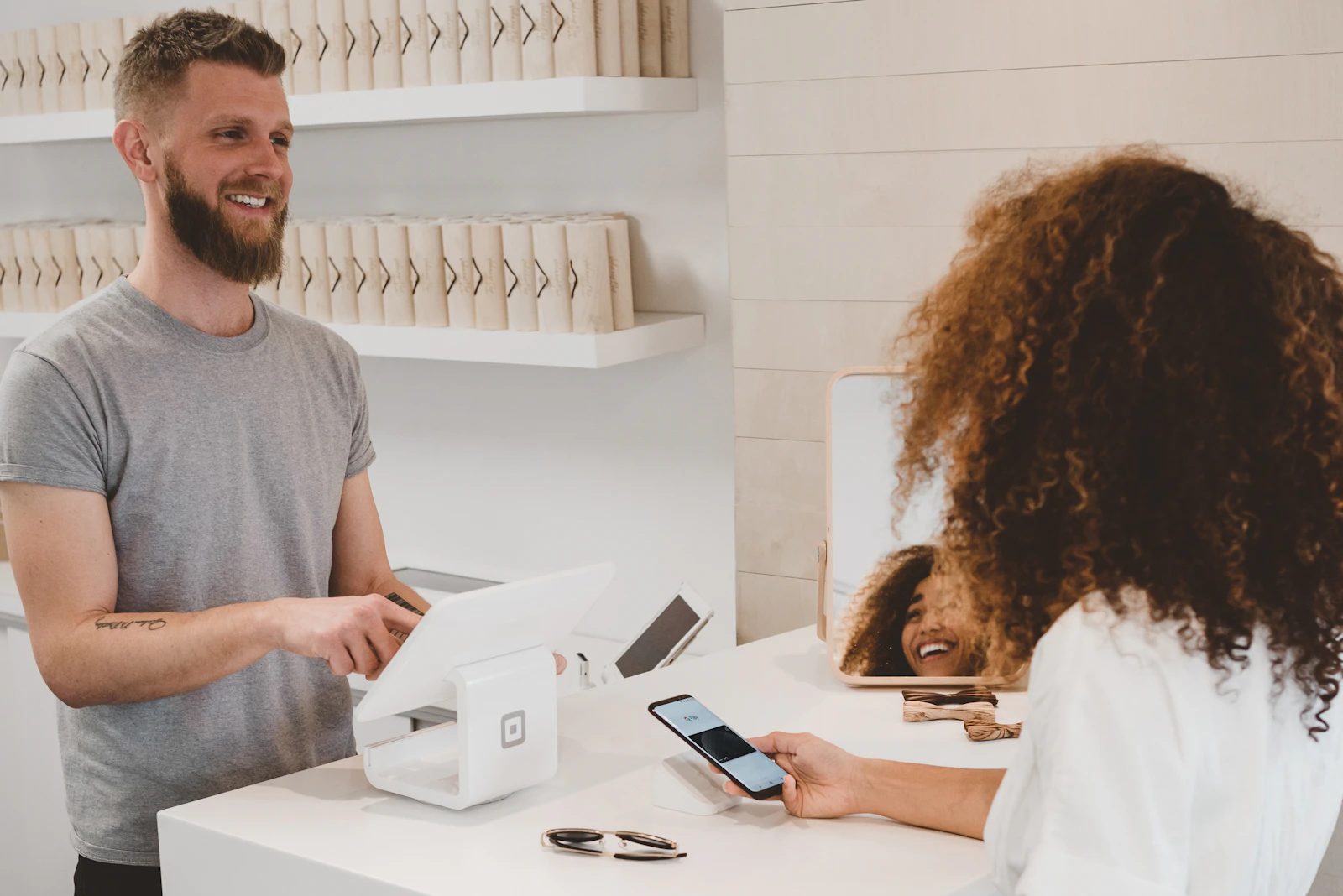
Post-purchase upsells on Shopify are offers presented immediately after a buyer completes checkout but before the standard order-confirmation page. The buyer has already paid; they're confirming whether to add one more item to the same order, with one click, no re-entering payment details. The conversion rate on a well-built post-purchase upsell is typically 8–18% — the highest of any conversion surface in your store, because every other on-site CTA is asking the buyer to commit, and this one is asking them to extend a commitment they've already made.
Most stores either skip this surface entirely or use it badly. This guide is the operator's playbook for building post-purchase upsells that lift AOV without breaking buyer trust.
Why post-purchase converts so well
The buyer's psychological state at the post-purchase moment is unique:
- Sunk-cost commitment. They've just put a credit card down. The "decision to spend money" mental friction is gone.
- Momentum and reward state. A purchase triggers a small dopamine hit. Buyers are in a "yes" mindset.
- One-click affordance. The offer is fulfilled by adding to the existing order — no new payment, no new shipping, no new account creation.
- Trust threshold cleared. They've already given you their card and their address. The "is this site legitimate?" question is answered.
Every other on-site offer (homepage hero, PDP cross-sell, cart upsell, exit-intent popup) is asking the buyer to overcome friction. The post-purchase offer asks them to extend a yes — a much smaller ask.
What works as a post-purchase offer
Three offer archetypes consistently outperform:
Archetype 1: The complementary product
A buyer who purchased a coffee maker is shown coffee beans, filter pods, or a milk frother. The relevance is unambiguous; the buyer is already mentally committed to the use case.
Conversion typical range: 12–18%.
The trap: showing a generic best-seller (a hat to a coffee buyer) gets ~2% conversion. The relevance has to be tight.
Archetype 2: The bundle completion
A buyer purchased a base product; the offer is the natural "if you bought X you'll want Y." A camera buyer offered an extra battery; an electric razor buyer offered replacement blades; a moisturizer buyer offered the matching cleanser.
Conversion typical range: 15–22%.
This is the highest-converting archetype because it solves a problem the buyer hadn't yet thought of. Most buyers will eventually need replacement blades; offering them at the moment of purchase saves them the future browsing.
Archetype 3: The upgrade or extension
A buyer purchased the standard variant; offer the premium one with the difference at a discount. A buyer purchased one unit; offer a second at 20% off. A buyer of a one-time skincare item; offer a 6-month supply at a small discount.
Conversion typical range: 6–12%.
Lower than the first two but still meaningful, and the AOV lift per converted buyer is much higher (a $40 upgrade vs. a $15 add-on).
What doesn't work
Three offer types underperform consistently:
Anti-pattern 1: The high-friction offer
Anything that requires the buyer to make a complex decision. "Choose between three sizes / colors / variants" turns the post-purchase moment back into a deliberation. Single-SKU offers convert; multi-variant offers don't.
Anti-pattern 2: The unrelated product
A buyer who purchased a kitchen knife shown a t-shirt. The relevance is gone; the offer feels like spam. Bare-shelving the post-purchase page with whatever's on sale produces 1–3% conversion and degrades trust.
Anti-pattern 3: The deep-discount offer
Offering 50% off post-purchase signals to buyers that they should have waited; some research even suggests it triggers regret about the original purchase. A 10–20% discount on the upsell is the right range.
Setup on Shopify
Two paths, with different feature sets:
Path 1: Native Shopify post-purchase pages (Shopify Plus)
Shopify Plus's post-purchase functionality, built via Shopify Functions or app extensions, lets you render a custom page between checkout completion and the order-status page. The buyer sees a single offer or a small number of offers; one-click "Add to order" updates the existing order without a new transaction.
Pros: clean integration, no third-party dependency, Shopify handles tax/shipping recalculation. Cons: requires Plus or significant custom development; less flexible than dedicated apps.
Path 2: Post-purchase upsell apps
Apps like ReConvert, AfterSell, Zipify OneClickUpsell, CartHook, and similar specialize in this surface. They handle the offer logic, A/B testing, design, and order modification.
Pros: rich features, A/B testing built-in, no custom development. Cons: monthly cost ($30–$300/month depending on volume), additional app dependency, occasional conflict with cart apps.
For most stores under $5M, an app is the right path. The setup time is hours, not weeks; the conversion lift typically pays for the app within 30 days.
Offer design specifics that move conversion
Six tactical decisions that materially affect conversion rate on the post-purchase page:
Decision 1: Price anchor
Show both the original price and the offer price. "Was $25, now $20" outperforms "Get this for $20" by 15–25% in tested setups. The discount feels real because the regular price is visible.
Decision 2: Single-CTA, no distractions
The page should have one large "Add to my order" button and one secondary "No thanks" link. Avoid adding nav, footers, related-product galleries, or anything else that gives the buyer a way to deliberate. The faster the decision, the higher the conversion.
Decision 3: Time pressure (genuine, not fake)
"This offer is only available right now" is true on a post-purchase page — once they leave, you can't show it again. Surface this honestly: "Add to your order before it ships." Avoid fake countdown timers; they convert in the short term but damage trust.
Decision 4: Relevant imagery
The offer image should look like the buyer's existing order — same lighting, same staging, same brand. Generic product shots underperform branded ones by 20–40% on this surface.
Decision 5: Concrete copy on the offer benefit
"Save $5 on your most-ordered consumable" beats "Stock up and save." Specifics convert; generics don't.
Decision 6: Mobile-first design
70%+ of post-purchase offers display on mobile. Make sure the "Add to order" button is thumb-reachable and the "No thanks" decline is small enough not to dominate. Mobile-broken offers convert at half the desktop rate.
What about pre-purchase upsells (cart, PDP)?
Pre-purchase upsells (in cart, on PDP) typically convert at 1–4% — much lower than post-purchase. They're not useless; they shape consideration and contribute to AOV in different ways. But the post-purchase moment is where to invest first if you've never built upsells systematically.
The hierarchy: post-purchase first (highest conversion, lowest cost), cart upsells second (good AOV impact), PDP cross-sell third (slow to optimize), homepage cross-sell fourth (rarely worth optimizing).
For pre-purchase optimization, see the PDP CRO playbook.
Common post-purchase mistakes
- Showing a low-relevance offer. A best-seller offered to everyone gets 2% conversion. Tie the offer to the cart contents.
- Showing too many options. Multiple offers, multi-variant decisions, "browse our store" — all kill the momentum. One clear offer per page.
- Overlong copy. Buyers have already bought. They aren't reading paragraphs. 1–2 sentences max.
- Discounts that train bad behavior. A 50% off post-purchase teaches buyers to abandon and return for the discount. Stay 10–20%.
- Forgetting to A/B test the offer itself. Different SKUs convert wildly differently. Run 4–6 SKUs through the surface and pick the best performers.
- Including a thank-you page that loads too slowly. A 4-second page-load post-checkout is enough for some buyers to close the tab. Optimize the post-purchase page for speed.
- Offering products that are out of stock. Restock alerts matter on this surface too — an OOS upsell is wasted real estate.
- Not tracking incremental AOV. Many stores report "post-purchase conversion rate" without measuring whether the buyers who took the upsell would have bought it later anyway. Run periodic holdout tests.
Frequently asked questions
What conversion rate should I expect on post-purchase upsells?
For relevant offers, 8–18% conversion is typical. Best-in-class stores hit 18–25% with tight relevance and strong copy. Conversion below 5% suggests the offers are poorly matched to cart contents.
How much AOV lift can I expect from post-purchase upsells?
A 12% conversion rate on a $20 incremental offer at the post-purchase page produces $2.40 of additional revenue per converting checkout. On a store doing 5,000 orders/year, that's $12K/year. At 50,000 orders/year, $120K/year. The incremental revenue is meaningful at any volume because the cost of the surface is near-zero.
Do post-purchase upsells annoy buyers?
Done well, no — buyers report they appreciate relevant offers (saving time on a future browse). Done badly (high-friction, low-relevance, deep-discount) they damage trust. The discipline is showing the right offer to the right buyer at the right moment.
Can I run post-purchase upsells without Shopify Plus?
Yes. Apps like ReConvert, AfterSell, and Zipify OneClickUpsell work on standard Shopify plans. They use Shopify's order-modification APIs to add the upsell to the existing order. Plus's native post-purchase functionality is more flexible for custom logic but isn't required.
What's the difference between a post-purchase upsell and a thank-you page?
The thank-you page (order status page) shows after the post-purchase upsell flow completes. The post-purchase upsell appears between checkout completion and the thank-you page. Some apps also let you put offers on the thank-you page itself (lower conversion, ~3–5%, because the moment has passed and there's no ongoing payment context).
Should I show one offer or multiple?
Almost always one offer, sometimes followed by a second offer if the first is declined. Showing 3+ offers simultaneously gives buyers too much to consider; conversion drops by half compared to a single-offer page.
Key takeaways
- The post-purchase page is the highest-converting surface in your store at 8–18% on relevant offers. Most stores don't optimize it.
- Three offer archetypes work: complementary products (12–18%), bundle completion (15–22%), upgrade/extension (6–12%).
- Three anti-patterns fail: high-friction multi-variant offers, unrelated products, deep discounts (40%+).
- Show one offer per page, with price anchor, single CTA, and mobile-first design.
- Apps (ReConvert, AfterSell, Zipify) handle the implementation on standard Shopify plans. Shopify Plus has native functionality.
- Track incremental AOV, not just conversion rate — measure whether upsells are creating new revenue or shifting existing demand.
- Run periodic holdout tests to confirm the upsell is actually incremental.
- A weekly action plan from DropifyXL flags PDPs and bundles that would make strong post-purchase pairings — based on actual buying patterns in your store.
The thank-you page is the cheapest revenue line a Shopify store can build. The constraint is almost always attention, not opportunity.

